The hidden psychology behind gambling addiction and its consequences
Understanding Gambling Addiction
Gambling addiction is a complex psychological issue that affects individuals from various backgrounds. It often stems from a combination of factors, including emotional distress, impulsive behavior, and a desire for escape. Many people gamble to alleviate stress or anxiety, seeking a thrill that momentarily distracts them from their problems. The dopamine release associated with winning can create a powerful feedback loop, encouraging individuals to chase their losses, leading to further gambling. For those interested in learning more about this topic, visit https://changingtidessolutionsinc.com/.
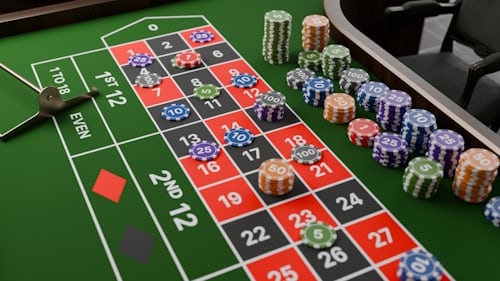
The thrill of gambling can also activate the brain’s reward system, much like substance abuse. This neurochemical reaction reinforces the behavior, making it difficult for individuals to recognize the detrimental impact on their lives. As they become more entrenched in their gambling habits, they may neglect relationships, work obligations, and personal well-being.
The Role of Cognitive Distortions
Cognitive distortions play a crucial role in gambling addiction. Many gamblers fall prey to faulty beliefs, such as the illusion of control, where they mistakenly believe they can influence the outcome of games of chance. This misconception can lead to increased gambling, as individuals think they can win back losses or gain a strategic advantage.
Moreover, gamblers often exhibit confirmation bias, focusing only on their wins while dismissing losses. This selective memory reinforces their belief in luck or skill, further perpetuating the cycle of addiction. Understanding these cognitive distortions is essential for developing effective treatment strategies that address the psychological underpinnings of gambling behavior.
Consequences of Gambling Addiction
The consequences of gambling addiction are far-reaching and can devastate both the individual and their loved ones. Financial instability is one of the most immediate effects, as gambling can lead to significant debt, bankruptcy, and loss of assets. This financial strain often results in emotional distress and can fracture relationships, leading to isolation and mental health issues such as depression and anxiety.
Additionally, gambling addiction can affect physical health, as the stress of managing a gambling problem can lead to sleep disorders, substance abuse, and other health complications. As individuals prioritize gambling over other aspects of life, their overall well-being deteriorates, creating a vicious cycle that is hard to break.
Seeking Help and Recovery
Recovery from gambling addiction requires a multifaceted approach. Therapy, particularly cognitive-behavioral therapy, can help individuals address the underlying psychological issues and cognitive distortions that contribute to their gambling behavior. Support groups provide a community of individuals facing similar struggles, fostering an environment of understanding and accountability.
It is essential for those struggling with gambling addiction to recognize their situation and seek help. With the right support and commitment to recovery, it is possible to rebuild lives affected by this addiction, restoring personal integrity and financial stability.

Explore Responsible Gaming Options
Understanding gambling addiction and its psychology can empower individuals to make informed decisions about gaming. Responsible gaming practices and awareness of one’s limits are crucial in mitigating the risks associated with gambling. Knowledge about the warning signs of addiction can help individuals maintain control and avoid the pitfalls of excessive gambling.
By providing comprehensive resources and information, we aim to help individuals navigate the world of gaming responsibly. Whether you’re an experienced player or new to gambling, being aware of the psychological aspects can enhance your overall gaming experience while minimizing potential risks.