The Allure of Risk and Reward
The psychology behind casino gambling is deeply rooted in the human desire for excitement and the thrill of taking risks. Many individuals are drawn to casinos not merely for the chance to win money but for the adrenaline rush associated with placing bets and the uncertainty that comes with it. This allure is often linked to the brain’s reward system, which releases dopamine during moments of anticipation and victory. In some cases, players might even explore uk casinos not on gamstop, as the prospect of hitting a jackpot can become an intoxicating experience that strengthens gambling habits over time.
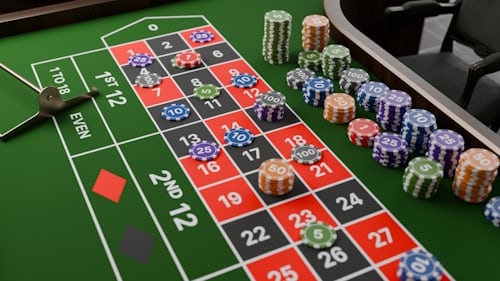
Moreover, the shift from mundane routines to a high-stakes environment stimulates the senses and alters one’s perception of reality. This heightened emotional state can lead to impulsive decisions, as players find themselves captivated by the flashing lights, sounds, and the vibrancy of the casino atmosphere. The cocktail of excitement and the potential for financial gain can create a compelling reason to return to gambling establishments repeatedly.
The Role of Cognitive Biases
Cognitive biases play a significant role in shaping gambling behaviors. One of the most common is the illusion of control, where gamblers believe they can influence the outcome of games based on their own skill or strategy, even in games of chance such as slots or roulette. This false sense of control can lead players to engage in riskier betting behaviors, fostering a belief that they can beat the odds.
Another prevalent bias is the gambler’s fallacy, where individuals think that past outcomes will influence future results. For example, if a particular slot machine has not paid out for a while, players may believe it is “due” for a win, prompting them to invest more money in hopes of finally hitting a jackpot. These cognitive distortions can make it easy for gamblers to justify their actions and continue spending beyond their means.
The Social Aspect of Gambling
The social dynamics of gambling cannot be overlooked, as they significantly contribute to the psychology of casino habits. Many people view casinos as social venues where they can bond with friends and meet new acquaintances. The shared experience of gambling can reinforce social connections, making it a communal activity that goes beyond just the pursuit of winnings.
Additionally, the competitive atmosphere of gambling games can amplify the excitement. Players often engage in banter and rivalry, which can enhance their enjoyment and encourage repeat visits. This social aspect may also serve as a coping mechanism for some individuals, providing an escape from daily stressors and an avenue for social interaction that they might not find elsewhere.
The Impact of Marketing and Environment
Casino environments are meticulously designed to optimize player engagement and encourage prolonged play. From the layout of gaming areas to the strategically placed refreshments, every detail is crafted to keep players inside and playing. Marketing strategies, such as loyalty programs and promotional offers, further entice gamblers to return regularly, reinforcing their habits.
Light, sound, and scent are carefully calibrated to create a stimulating atmosphere that heightens emotional responses. The absence of clocks, for instance, is a deliberate choice to encourage players to lose track of time, often leading to extended periods of gambling. This environment, combined with aggressive marketing tactics, can lead to compulsive gambling patterns, making it challenging for individuals to recognize their gambling behaviors as problematic.

Importance of Responsible Gambling
As the psychology of gambling can lead to harmful habits, understanding and promoting responsible gambling practices is crucial. Many casinos and gambling establishments are beginning to prioritize the well-being of their patrons by implementing programs that encourage self-awareness and responsible play. This includes setting limits on spending and providing resources for those seeking help.
Additionally, the importance of education about the risks of gambling cannot be understated. By fostering an understanding of the psychological mechanisms at play and the potential for addiction, individuals can make more informed choices about their gambling habits. Supporting initiatives that promote mental health and responsible gambling can help mitigate the adverse effects often associated with gambling behaviors.